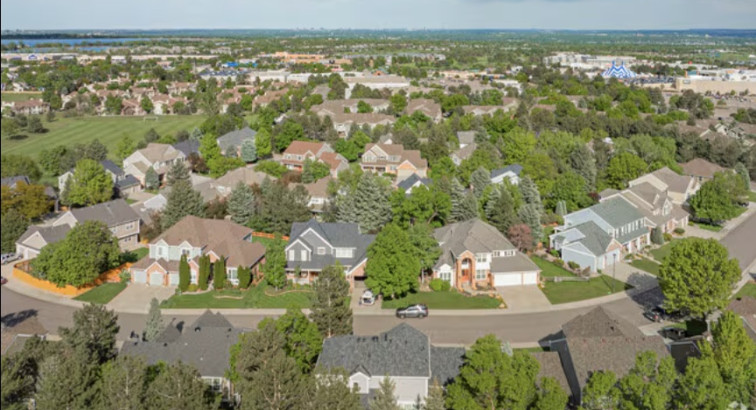
If you're researching the average home price in Omaha, NE, you're probably trying to get a simple answer to one question: What does it actually cost to buy a home here right now?
The short answer is: most homes in Omaha currently sell somewhere between $260,000 and $280,000, though the exact price can vary depending on neighborhood, home size, and current housing market conditions.
The good news is that Omaha continues to be one of the more affordable real estate markets in the country. At the same time, median home prices have been gradually increasing, which is common in growing metro areas.
Let’s break down the numbers so you can better understand the average home price in Omaha, NE and what’s happening in the local housing market.
Home prices in Omaha remain relatively affordable compared with many cities nationwide, which is one of the reasons so many buyers are drawn to the area.
These numbers give a helpful snapshot of the median home prices buyers can expect when shopping for Omaha homes. Of course, the exact price depends on the neighborhood, the size of the property, and whether you're looking at one of the many single family homes that dominate the local housing market.
| Metric | Current Value | Source |
|---|---|---|
| Median Sale Price | $315,000 | Realtor.com |
| Median List Price | $318,267 | Zillow |
| Average Home Value | $285,850 | Zillow |
| Median Price per Sq. Ft. | $172 | Realtor.com |
| Median Days on Market | 33 Days | Realtor.com |
| Median Days to Pending | 8 Days | Zillow |
| Active Listings | 2,165 | Realtor.com |
| Homes Selling Above List Price | 32.3% | Zillow |
| Budget | What You Can Typically Expect |
|---|---|
| Under $200,000 | Smaller homes, fixer-uppers, or homes in more affordable neighborhoods |
| $200,000–$300,000 | Many starter homes, most of which could be updated over time, but some real gems as you get closer to $300K |
| $300,000–$400,000 | Larger homes, newer neighborhoods, more amenities |
| $400,000+ | Luxury finishes, larger lots, newer construction |
One reason many buyers are drawn to Omaha is affordability. Compared with many cities across the country, prices here remain well below the national average.
For example:
This price difference helps explain why the Omaha housing market attracts buyers relocating from higher-cost regions. Even as median home prices gradually increase, Omaha still offers relatively attainable homeownership opportunities compared with coastal markets.
For many buyers, that means getting more space, larger homes, and better value for their budget.
Several current housing market trends are influencing how Omaha home prices behave right now.
Like many markets across the U.S., Omaha has experienced limited inventory in recent years. When fewer homes are available for sale, competition among buyers can push prices higher.
Homes in Omaha also tend to move fairly quickly once they hit the market. In many cases, homes sell within about 40 days on average, depending on the neighborhood and price range. (FRED)
Some properties even go under contract in just a few weeks when priced competitively. A trend that I have been seeing more recently specifically for first-time home buyers.
The number of new listings entering the market also plays a big role in pricing trends.
When more homes become available:
When inventory tightens:
Most recently, it seems we are entering a more competitive market for more affordable homes with relatively low inventory and high demand, leading to slightly inflated prices. While there are more homes available in the $350,000-$500,000 range that are sitting a bit longer and selling below asking price.
While the average home price in Omaha, NE provides a helpful overview, the price of a median home can vary quite a bit depending on where you look.
Some examples of median home prices in Omaha neighborhoods include:
These differences show how much Omaha depends on location when determining home values.
For example:
Another useful way to understand the market is by looking at the price per square foot.
Recent housing data shows the median sale price per square foot in Omaha is about $149, representing about a 2% decrease over the past year. (Redfin)
When square footage decreased in value, it typically signals growing demand in the local housing market.
Buyers often compare homes based on several factors, including:
These factors all play a role in determining how a home is priced.
Looking at historical data, the Omaha housing market has experienced steady long-term growth.
Over the past year, average home values increased modestly, continuing a trend of gradual appreciation as the metro area continues to grow.
Population growth, job opportunities, and continued demand for housing have all contributed to rising home prices.
At the same time, Omaha’s market has remained relatively stable compared with some other U.S. cities that have seen more dramatic price swings.

(Source: Nebraska Realty)
Housing affordability isn’t just about buying—it’s also influenced by rental costs.
In Omaha, the average rent is about $1,105 per month, a 2% increase in the last year. (Apartments.com)
For some residents, rising rent prices make homeownership more appealing, especially when a mortgage payment may be similar to renting depending on interest rates and loan terms.
The average home price in Omaha, NE reflects a market that balances affordability with steady growth. While prices have gradually increased, Omaha continues to offer strong value compared with many cities across the country.
If you're exploring Omaha homes for sale, here are a few helpful takeaways about today’s market:
With steady demand and a growing metro area that includes Omaha Council Bluffs, the local housing market continues to attract buyers from across the Midwest and beyond. Keeping an eye on market conditions, housing inventory, and pricing trends can help both buyers and sellers make confident real estate decisions.
And, of course, of you have any questions about home value, moving to Omaha, buying or selling, do not hesitate to reach out!
© Nebraska Realty 2026. All rights reserved.


