
If you're thinking about buying a home in Omaha, NE, you're probably wondering what the process actually looks like and where to begin. Whether you're relocating to the area or you're one of many first-time homebuyers in the Omaha metro, understanding the steps ahead can make the entire experience feel much more manageable.
This home buying guide Omaha NE is designed to walk you through the home buying process from start to finish. From getting pre-approved for a mortgage to navigating inspections and the closing process, you’ll learn what to expect at every stage of your home buying journey.
Here’s a quick, helpful overview of the steps involved in buying a home:
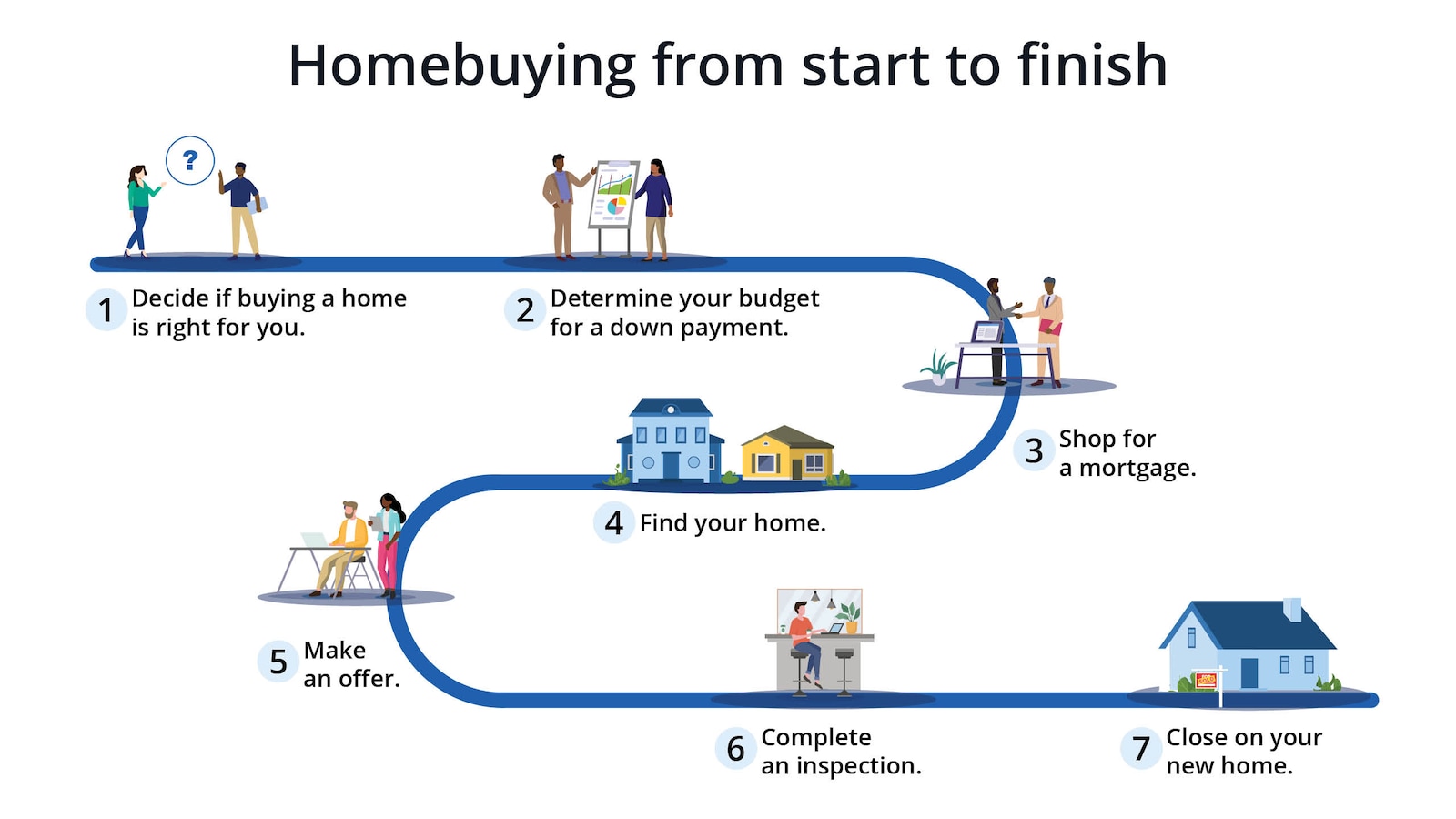
(Source: Chase Bank)
This infographic is a nice, simple way to visualize the general steps it takes to buy a home, but there is more nuance to the whole process. Each step plays an important role in the home buying process. Below, we’ll walk through in more detail what to expect at every stage so you can feel confident and prepared throughout your home buying journey in Omaha.
One of the most important decisions you'll make during the buying process is choosing the right real estate agent.
A great agent acts as your advocate, advisor, and strategist throughout the entire journey. They help you understand the local market, identify opportunities during your home search, and guide you through negotiations and contracts. Buyer Guide
A trusted real estate professional will help you:
Much of a real estate agent’s work happens behind the scenes. This comes in the form of reviewing disclosures, coordinating appointments, and making sure deadlines are met so everything stays on track toward closing.
Working with an experienced agent ensures you’re making informed decisions every step of the way. We take the stress out of the equation, so you can focus on finding a home you love.
Before you begin your home search, it's important to understand what you can comfortably afford.
Buying a home involves more than just the purchase price. Buyers also need to consider ongoing expenses such as:
In Omaha, local property taxes can vary depending on the area, school district, and whether the home is located in areas like West Omaha, Millard, or nearby communities such as Elkhorn or Papillion.
A common guideline is to keep total housing expenses—including mortgage payments and property taxes—around 30% or less of your monthly income. Try out this mortgage calculator below to get an idea of what you can afford without creating future financial hardship:

One of the smartest things you can do early in the home buying process is getting pre-approved for a mortgage.
This approval tells sellers you're a serious buyer, which can make a big difference in competitive Omaha neighborhoods where homes may receive multiple offers.
It also helps you understand:
Some buyers in the Omaha area may qualify for programs like USDA loans in certain surrounding communities, which can offer low down payment options.
To get pre-approved, lenders typically ask for financial documents such as:
It’s helpful to know the difference between being pre-qualified and being pre-approved. Pre-qualification is an estimate based on information you provide, while pre-approval involves verifying your financial documents and gives you a stronger position when making an offer.
Before diving too deeply into your home search, it’s helpful to take time to define what you’re looking for in a home.
Every buyer has a wishlist, but not everything on that list will be essential.
Start by identifying your must-have features, such as:
Then consider features that would simply be nice to have, like:
Many buyers in Omaha also prioritize things like proximity to schools, walkability in areas like Dundee or Midtown, or larger lots common in West Omaha areas.
If you’re buying with a partner or family member, aligning on priorities early helps ensure everyone is on the same page during the buying journey.
I want to dive into this topic more because it's something I run into all of the time.
Almost every buyer starts with a long wishlist, and that's completely normal. But I've also seen buyers pass on homes that checked almost every box simply because they were missing one or two features that weren't truly deal-breakers. Later, they often realize those missing features weren't nearly as important as they thought.
One of the best things you can do before starting your home search is separate your true needs from your wants. It helps you stay focused, make confident decisions, and avoid overlooking a home that could be a great fit.
Here's a simple cheat sheet to help you identify the difference.
Remember, ask yourself these questions when evaluating a feature:
One thing I always remind my clients is that it's much easier to change things like paint colors, light fixtures, countertops, or landscaping than it is to change a home's location, layout, lot size, or school district. Focusing on the things you can't easily change can help you make a decision you'll feel good about long after closing day.
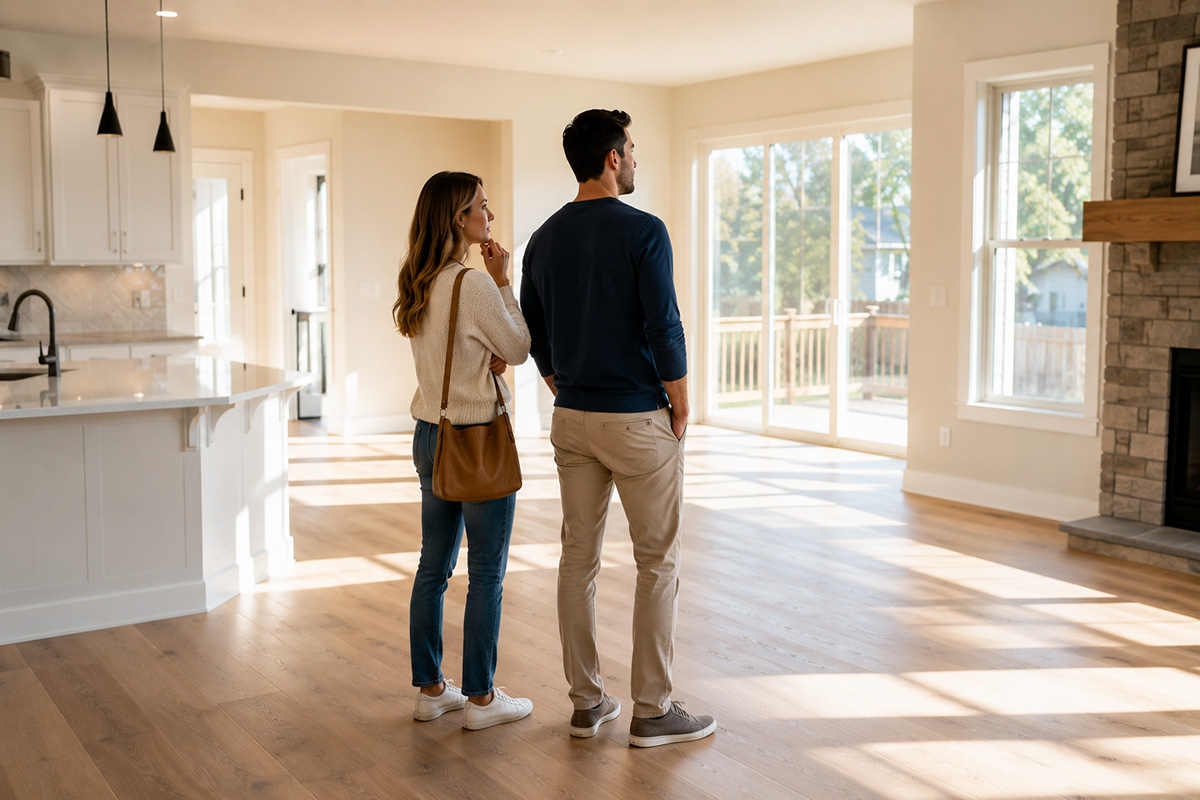
Once your budget and priorities are clear, the next step is touring homes during your home search.
It’s easy to get caught up in cosmetic details like paint colors or furniture staging. Instead, try to focus on the structural features and functionality of the home.
During showings, pay attention to things like:
It’s also smart to look for potential warning signs, including:
Taking notes and photos during each showing can help you compare homes more easily later.
Your real estate agent can also point out important details you might otherwise miss, especially when evaluating homes in different Omaha neighborhoods with varying home styles and ages.
(Source: RESCO Realty)
When you find a home you love, the next step is submitting an offer.
A strong offer includes several elements beyond just the purchase price. In competitive Omaha neighborhoods like West Omaha, Millard, or Elkhorn multiple buyers may be interested in the same home.
Typical components of an offer include:
Earnest money is a deposit that shows the seller you're committed to purchasing the property.
Your agent will work with you to structure an offer that is competitive while still protecting your interests in the Omaha real estate market.
After your offer is submitted, the seller may accept it, reject it, or submit a counteroffer.
This begins the negotiation stage of the process.
Your agent will help guide you through negotiations and advise when it makes sense to:
Once both parties agree on the terms, you'll sign a purchase agreement that outlines the details of the transaction and moves the process forward.
Once you're under contract, the next step is evaluating the property through inspections and appraisals.
An inspection is conducted by a professional inspector who examines the condition of the home. This includes evaluating:
After reviewing the inspection report, buyers may:
In Omaha, inspections are especially important for older homes in historic neighborhoods as well as newer construction homes in growing areas of West Omaha. Also, weather in Omaha varies greatly, putting homes through various types of weather and frequent climate shifts, all of which put wear on a home. Inspections can help identify any previous wear and help you make a more informed decision.
Your lender will also order an appraisal to confirm the home’s value matches the loan amount.
After inspections and negotiations are complete, your lender finalizes the mortgage approval.
During this stage, you may need to provide updated documentation such as:
A few days before closing, you’ll receive a Closing Disclosure outlining the final loan terms and closing costs.
Closing costs typically include expenses like:
Your lender will also establish an escrow account, which is used to manage expenses like property taxes and homeowners insurance.
Reviewing these final numbers carefully ensures everything is accurate before closing.
Closing day is the final step in the home buying process.
During closing, you'll:
Once the paperwork is completed and the funds are transferred, ownership of the property is officially transferred to you.
Before closing, you'll also complete a final walkthrough of the home to ensure it’s in the expected condition.
Once everything is finalized and recorded, you receive the keys to your new home.
After closing, the exciting part begins—moving into your new home.
Planning ahead can make the transition easier. Consider:
Once you move in, it’s also a good idea to:
The tips above are general best practices for settling into your new home, but there’s one piece of advice I always give my clients that you probably won’t find online: stop looking at homes!
And remember, even after closing, your real estate agent can remain a valuable resource for contractor recommendations, market updates, and future real estate decisions in the Omaha area.
Your journey doesn’t end at the closing table—it’s just the beginning of life in your new home.
© Nebraska Realty 2026. All rights reserved.


