
If you're wondering what credit score you need to buy a home in Nebraska, the answer depends on the type of home loan you're applying for. While some loan programs allow qualified buyers to purchase a home with a credit score as low as 580, others typically require a score of 620 or higher.
The good news is that your credit score is only one piece of the puzzle. Mortgage lenders also look at factors like your income, outstanding debt, employment history, down payment, and overall credit history when reviewing your mortgage application. Even if your score isn't perfect, you may still have options.
Whether you're a first-time homebuyer or you've purchased a home before, understanding how your credit affects the home buying process can help you prepare, improve your chances of approval, and find the loan program that's right for you.
The table below provides a general overview of the minimum credit score requirements for some of today's most common home loans. Keep in mind that individual mortgage lenders may have their own guidelines, so these numbers should be used as a starting point rather than a guarantee of approval.
|
Loan Type |
Typical Minimum Credit Score |
Who It's Best For |
|---|---|---|
|
FHA Loans |
580* |
Buyers with limited savings or lower credit scores |
|
Conventional Loans |
620 |
Buyers with stronger credit and stable finances |
|
VA Loans |
No official minimum (lender requirements vary) |
Eligible veterans, active-duty military, and qualifying spouses |
|
USDA Loans |
No official minimum (many lenders prefer 640+) |
Buyers purchasing eligible rural properties |
*Some FHA loans may allow lower credit scores with a larger down payment requirement, depending on the lender.
Your credit score helps mortgage lenders evaluate how you've managed credit in the past and how likely you are to repay a loan. While it isn't the only factor lenders consider, it plays an important role in determining the loan programs you may qualify for and the terms you're offered.
A stronger credit score can often help you:
Qualify for more home loans
Access lower interest rates
Reduce your monthly mortgage payment
Lower your mortgage insurance costs
Increase your purchasing power
On the other hand, lower credit scores don't automatically prevent you from buying a home. Many first-time homebuyers successfully purchase homes every year through loan programs designed to help buyers with less-than-perfect credit.
The important thing to remember is that lenders look at your entire financial picture—not just one number.
One of the biggest misconceptions I hear is that buying a home comes down to having a certain credit score. While your score is important, it's only one part of your mortgage application.
Mortgage lenders also review several other factors before approving home loans, including:
Your payment history
Outstanding debt and your debt-to-income ratio
Employment and income stability
Your available funds for a down payment and closing costs
Your credit history and credit mix
Recent new credit inquiries
The type of loan you're applying for
For example, someone with a slightly lower credit score but a steady income, manageable debt, and a strong payment history may be in a better position than someone with a higher score who has significant outstanding debt or inconsistent income.
Lauren's Perspective: One of the biggest surprises for many of my clients is learning that they didn't need a perfect credit score to buy a home. I've talked with buyers who assumed they were years away from homeownership, only to find out they already qualified for one of today's loan programs. Nebraska has multiple loan programs for first-time homebuyers like NIFA, that offer special rates and assistance for those ready to buy a home. If you're thinking about buying a home, don't count yourself out before having a conversation with a trusted lender. You may have more options than you realize.
Once you've decided to buy a home, it's important to keep your finances as stable as possible. Even small financial changes can affect your mortgage application if they happen while you're preparing to purchase a home.
Here are a few common mistakes to avoid before applying for home loans:
Missing or making late payments on your credit accounts.
Opening new credit cards or taking on additional loans.
Financing furniture or a new vehicle before closing.
Maxing out existing credit cards and increasing your outstanding debt.
Ignoring errors on your credit report that could be lowering your score.
Lauren's Tip: One piece of advice I always give buyers is to avoid making any major financial decisions after you've been pre-approved. It can be tempting to start shopping for furniture or a new car, but it's best to wait until after you've closed on your home.
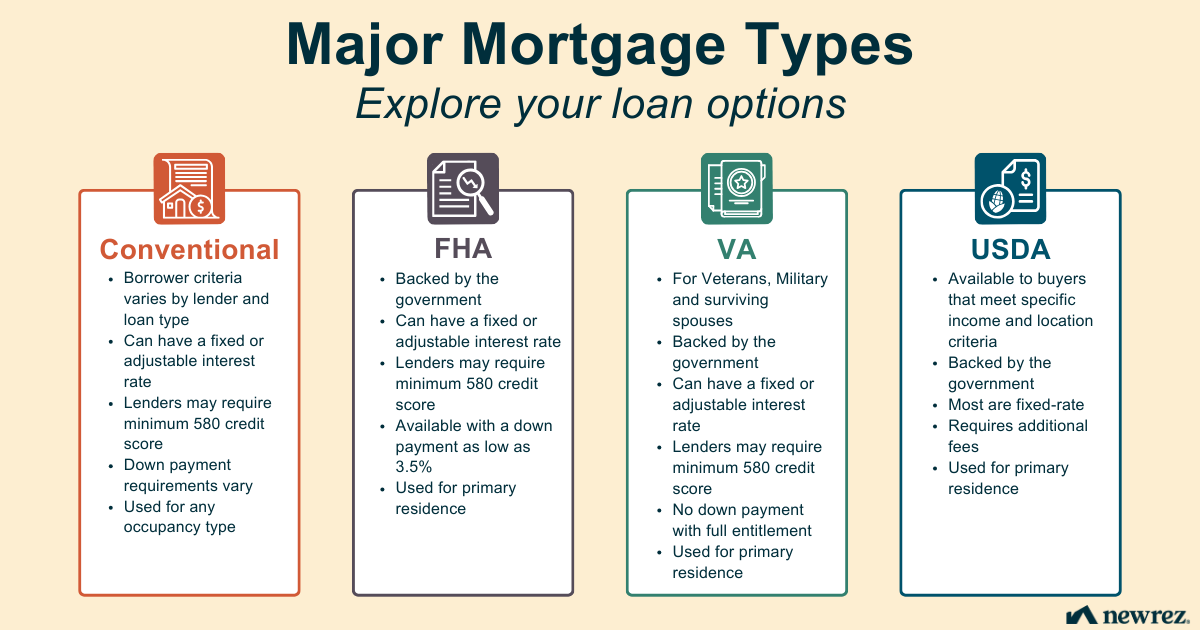
One of the biggest reasons you'll see different answers to this question online is because there isn't a single minimum credit score to buy a home. The score you'll typically need depends on the loan type you're applying for, and each program has its own guidelines.
Here's a general overview of the most common options available to Nebraska homebuyers.
FHA loans are often the most flexible option for buyers with lower credit scores. While the standard minimum credit score is typically 580 to qualify for the lowest down payment requirement, some lenders may have stricter requirements.
If your credit score falls below what's typically needed for a conventional loan, an FHA loan may still allow you to become a homeowner. Just keep in mind that FHA loans also require mortgage insurance, which can increase your monthly housing costs.
Conventional loans generally require a minimum credit score of around 620, although some mortgage lenders may require a higher score depending on your financial situation.
Borrowers with higher credit scores are often rewarded with lower mortgage rates, which can reduce both the total cost of the loan and your monthly mortgage payment.
If you're an eligible veteran, active-duty service member, or qualifying surviving spouse, VA loans can be an excellent option.
The Department of Veterans Affairs doesn't set an official minimum credit score, but individual mortgage lenders typically establish their own requirements. If you qualify, VA loans often offer competitive interest rates and don't require a down payment.
USDA loans are designed for eligible rural areas, including parts of Nebraska outside larger metro areas.
Like VA loans, there isn't an official minimum credit score established by the USDA, but many lenders prefer applicants with scores around 640 or higher. These loans can also offer no down payment for qualified buyers.
While each loan type has different credit guidelines, it's important to remember that these are just starting points. Your credit history, payment history, outstanding debt, income, and other financial factors all play a role in whether you're approved.
The best loan program isn't necessarily the one with the lowest minimum credit score—it's the one that best fits your overall financial situation.
(Source: Newrez)
While meeting the minimum credit score requirement can help you qualify for a mortgage, it doesn't necessarily mean you'll receive the best loan terms. In general, buyers with higher credit scores are more likely to qualify for lower mortgage rates, which can reduce both their monthly mortgage payment and the total amount of interest paid over the life of the loan.
Here's a general idea of how your credit score may impact your financing options:
|
Credit Score Range |
What It May Mean |
|---|---|
|
760+ |
Typically qualifies for the most competitive mortgage rates and loan terms. |
|
700–759 |
Strong credit that often results in favorable interest rates. |
|
620–699 |
May qualify for many conventional loans, though rates may be slightly higher. |
|
580–619 |
Often eligible for FHA loans, depending on the lender and overall financial profile. |
|
Below 580 |
Homeownership may still be possible, but improving your credit first may open more options. |
While every lender is different, improving your credit score before applying for a mortgage can sometimes save you thousands of dollars over the life of your loan. Even a modest improvement could help you qualify for a better interest rate or reduce your monthly payment.
I really think the answer depends on your individual situation. If you're only a few points away from qualifying for a better interest rate, spending a few months improving your credit may save you money over the life of your mortgage.
On the other hand, waiting isn't always the best decision. Home prices and mortgage rates can change over time, and those changes may outweigh the savings from a slightly higher credit score.
The best first step is to talk with a trusted lender to understand where you stand today. They can explain which loan programs you may qualify for and identify any improvements that could strengthen your application. From there, a local real estate agent like myself can help you understand what your budget looks like in Nebraska's housing market today.
Your credit score plays an important role in buying a home, but it isn't the only factor that determines whether you'll qualify. Mortgage lenders also consider your income, credit history, payment history, outstanding debt, and the type of loan you're applying for when reviewing your mortgage application.
Whether you're exploring FHA loans, conventional loans, VA loans, or USDA loans, there are loan programs available for a wide range of buyers. Even if your credit isn't exactly where you'd like it to be today, that doesn't necessarily mean homeownership is out of reach.
If you're thinking about buying a home in Nebraska, don't let uncertainty keep you from taking the first step. Talking with a lender can help you understand your financing options, and working with an experienced real estate agent can help you navigate the home buying process with confidence.
Buying a home is a big milestone, and understanding how your credit fits into the picture is one of the best ways to set yourself up for success. Whether you're ready to begin house hunting today or you're still working toward your goal, having a clear plan can make the journey much less overwhelming.
© Nebraska Realty 2026. All rights reserved.


